
 김법윤 변호사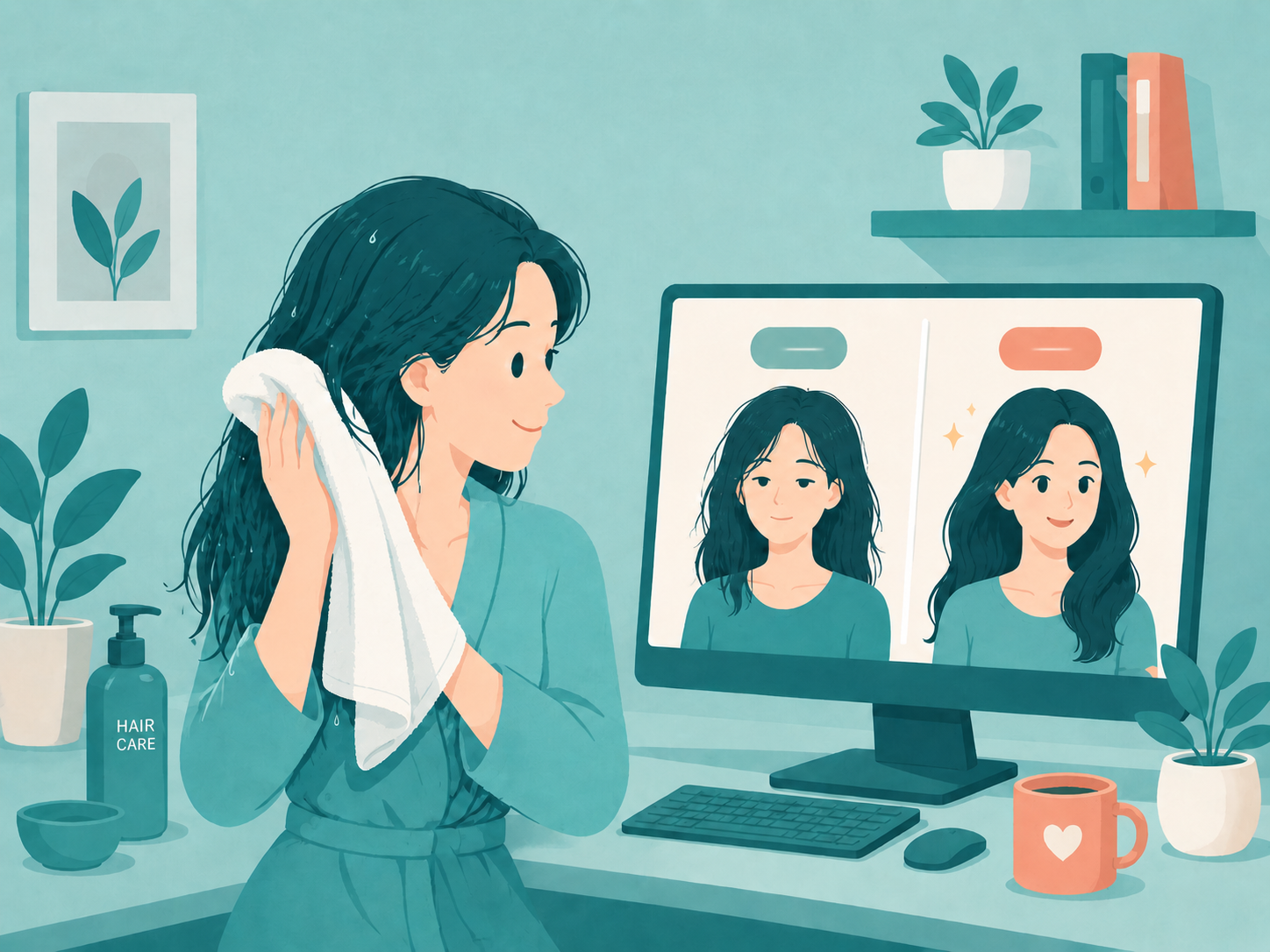
1. 환자 후기는 어떠한 경우에 의료광고가 될까요?
환자가 자신의 블로그나 SNS에 자발적으로 진료 경험을 작성했다고 해서 곧바로 의료기관의 불법 의료광고가 되는 것은 아닙니다. 문제는 의료기관이 후기 작성에 관여하는 경우입니다. 병원이 할인·무료 시술 등의 대가를 제공하거나, 환자에게 특정한 내용의 후기 작성을 요청하고, 유리한 후기만 선별·편집하여 홈페이지나 SNS에 다시 게시한다면 병원의 의료광고로 평가될 가능성이 커집니다. 현행 의료법은 환자의 치료경험담 등 소비자가 치료 효과를 오인할 우려가 있는 광고를 금지하고 있습니다.
2. 시술 전후사진의 허용범위와 한계
시술 전후사진은 그 자체로 전면 금지되는 것은 아닙니다. 그러나 전체적 인상에서 치료효과를 오인·현혹하게 하거나(과장·단정적 문구와 결합 등) 동일조건 촬영 원칙을 위반하여 효과를 부풀리는 방식이면 위법으로 판단된 사례가 다수 존재합니다.
주의할 점은 보건복지부의 해석에서는 의료기관이 주체가 되어 게시하는 치료경험담, 치료후기는 원칙적으로 로그인 절차가 있는 홈페이지에만 게시할 수 있고, 로그인 없이 불특정 다수가 열람 가능한 개방 공간(블로그, 인스타그램 등 SNS)에 후기를 올리면 선별, 편집 여부와 무관하게 그 자체로 의료법 위반소지가 크다는 것입니다.
3. 의료기관의 관리 방안과 적법성 판단기준
의료기관은 환자 후기와 전후사진을 단순한 ‘콘텐츠’가 아니라 의료광고로 보고 관리할 필요가 있습니다. 후기 작성을 진료비 할인이나 사은품 제공의 조건으로 삼지 말고, 환자의 표현을 병원에 유리하게 수정하거나 효과를 보장하는 문구로 재구성해서도 안 됩니다. 전후사진을 사용할 때에는 환자로부터 광고 목적, 게시 매체와 기간 등을 특정한 동의를 받고, 원본과 수정 이력을 보관하는 것이 안전합니다. 심의 대상 매체에 게시하는 경우에는 사전심의 필요성도 확인해야 합니다.
결국 불법 여부를 가르는 핵심은 사진이나 후기가 존재한다는 사실이 아니라, 의료기관이 이를 이용해 특정한 치료 효과를 일반적으로 보장하거나 과장하고 있는지에 달려 있습니다.
Just because a patient writes about their treatment experience on their own blog or social media, it does not automatically become illegal medical advertising by the clinic. The problem begins when the clinic becomes involved in the review. If a clinic offers a discount or free treatment in return for a review, asks the patient to write certain things, or selects and edits only favorable reviews and reposts them on its website or social media, the review may be seen as the clinic’s medical advertisement. Under the current Medical Service Act, advertisements that may mislead consumers about treatment effects, including patient treatment stories, are prohibited.
Before-and-after photos are not completely banned by themselves. However, they can be illegal if they give a misleading or exaggerated impression of the treatment result. For example, this may happen when the photos are combined with exaggerated or definitive phrases, or when the “same conditions” rule is not followed, such as using different lighting, angles, expressions, or editing methods to make the result look better than it really is. There have been many cases where such advertising was found to be unlawful.
Medical institutions should treat patient reviews and before-and-after photos not simply as “content,” but as medical advertising that must be carefully managed. Clinics should not make review writing a condition for a discount or gift. They should also not edit a patient’s words in a way that favors the clinic or rewrite them as if a certain effect is guaranteed. When using before-and-after photos, it is safer to obtain the patient’s specific consent for the advertising purpose, the media where the photos will be posted, and the posting period. Clinics should also keep the original photos and records of any edits. If the advertisement will be posted on media subject to prior review, the clinic should also check whether prior review is required.
In the end, the key question is not simply whether there is a photo or a review. The real issue is whether the medical institution is using it to generally guarantee or exaggerate a certain treatment effect.